EE vs ER on Your Paystub: What Employee and Employer Lines Mean
Two letters decide whether a line on your pay stub came out of your pay or not. How to read EE and ER codes, and why the ER column is worth more attention than it gets.
Every guide on the site, newest first.
Two letters decide whether a line on your pay stub came out of your pay or not. How to read EE and ER codes, and why the ER column is worth more attention than it gets.
SDI funds state disability and paid family leave programmes in a handful of states. Who pays it, what it entitles you to and why the rate changes from year to year.
Medical ER is what your employer pays toward your health coverage. Why it appears on your stub without reducing your pay, and where the annual figure shows up on your W-2.
STD is the premium for short-term disability cover, the benefit that bridges the first weeks out of work. How it pays, how it differs from state disability and the tax consequence.
FTD has two meanings in payroll. On an employee stub it usually means fiscal year to date; in an employer's records it means federal tax deposit. How to tell which you are looking at.
LTD is the premium for long-term disability cover. What it insures, how much income it replaces and why paying the premium with after-tax money can be the better choice.
MED EE is Medicare tax withheld from the employee. How it differs from the employer line, what it funds and why the deduction does not stop when other taxes do.
Fed MWT EE is the employee share of Medicare tax. What the abbreviation unpacks to, the 1.45% arithmetic you can verify in seconds and why it has no wage cap.
GTL is the taxable value of employer-paid life insurance above $50,000. Why it increases your taxable wages without reducing your deposit, and where it shows up on your W-2.
SIT is state income tax withheld from your wages. Why the amount differs from federal tax, what drives it and why some stubs show no SIT line at all.
Veterans Day is a federal holiday, the Federal Reserve is closed and ACH does not settle. What that means for a payday that lands on or just after November 11.
Arizona taxes personal income at a flat 2.5%, one of the lowest rates among states that levy one. How Form A-4 sets your withholding percentage and what that means for your paycheck.
Georgia moved from graduated brackets to a flat income tax that steps down on a legislated schedule. The current rate, the Form G-4 withholding certificate and what to file.
Florida levies no personal income tax, so a Florida pay stub has no state withholding line. What you still pay, what employers owe and where the revenue comes from instead.
California runs progressive brackets plus a mental health surcharge on very high income, and withholds through Form DE 4. What comes out of a California paycheck and why.
Landlords usually want to see income around three times the rent. Which documents satisfy that test, what self-employed applicants provide instead and how to prepare before you apply.
FUTA funds unemployment benefits and is paid entirely by employers. The 6.0% rate, the $7,000 wage base, the 5.4% state credit and why most employers actually pay 0.6%.
Form W-2c fixes a wage statement that went out wrong. What triggers one, what it means for a return you have already filed and why a wrong SSN is the most urgent error of all.
Lost a W-2? The employer's payroll portal is the fastest route, and an IRS wage and income transcript covers prior years. What each option gives you and what it leaves out.
Form W-2 reports the wages you were paid and the taxes withheld. What each section covers, why Box 1 rarely matches your salary and when it has to reach you.
An operating agreement sets out who owns an LLC, who decides what and what happens when someone leaves. Why single-member LLCs need one too, and the clauses worth getting right.
A pending charge is an authorisation hold, not a completed payment, and your card issuer usually cannot remove it. Here is who can, how long holds last and when to dispute instead.
Landlords and lenders ask for gross monthly income, not what lands in your account. Here is the calculation for each pay frequency and the mistake that throws it off by hundreds.
A paper paycheck does not vanish, but banks can refuse it after six months and unclaimed wages eventually go to the state. What the 180-day rule means and what to do with an old check.
Employee self-service hubs hold your pay statements, tax forms and personal details. Here is how to find a stub, download it properly and keep access from becoming a problem later.
Grocery retailers deliver pay stubs through an employee self-service portal. Here is the general route to finding yours, keeping copies and recovering access after you leave.
A pay stub is more than the final deposit figure. Here is how a typical statement is structured, what each section reports, and which fields are worth checking every pay period.
FICA, OASDI, FIT, SIT, MED, SDI, YTD. A plain-English decoder for the abbreviations payroll systems print on a pay stub, and why the labels differ between employers.
Left a job and the W-2 never arrived? Start with the payroll portal and the employer, verify your address, and know the IRS options available when the form still cannot be obtained.
A missing W-2 does not make the wages disappear. Here is what actually happens when W-2 income is left off a return, and the difference between never receiving the form and not reporting it.
Received more than one W-2 and used only one? Here is what gets left out of your return, whether the IRS will notice, and how to fix it before or after filing.
Auto lenders ask for pay stubs to confirm income and judge whether the monthly payment fits. Here is what they look for, how many stubs to bring and what to do if you do not have them.
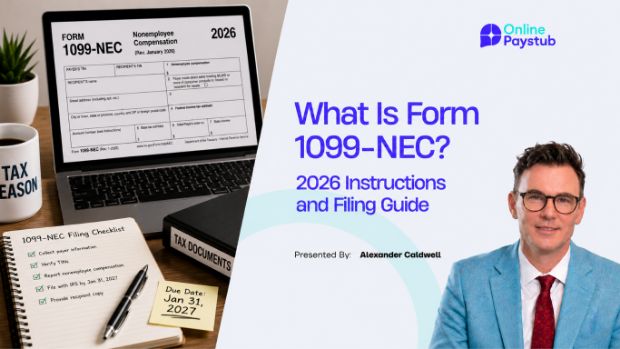
The reporting threshold for nonemployee compensation rose to $2,000 for payments made in 2026. Here is who must file Form 1099-NEC, what belongs in Box 1a and when it is due.
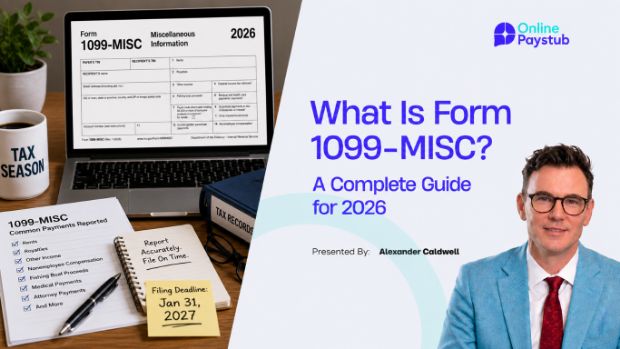
Several 1099-MISC categories moved from a $600 to a $2,000 threshold for 2026, but not all of them. Here is what the form covers, which thresholds changed and when it is due.
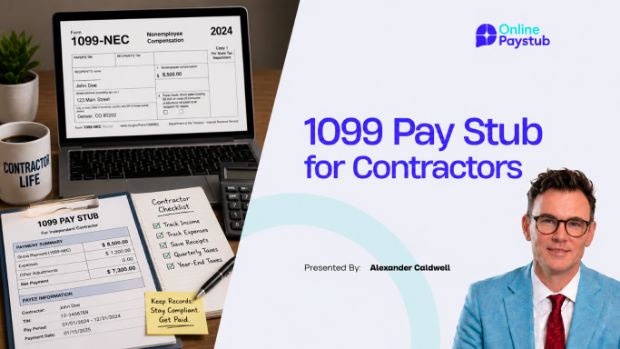
There is no federal form called a 1099 pay stub. Here is what a contractor payment record should actually contain, how it differs from Form 1099-NEC and why year-round records matter.
The Child Tax Credit is worth up to $2,200 per qualifying child for both 2025 and 2026. Here are the eligibility tests, the income phase-outs and how the refundable portion actually works.
The reliable moment to set your refund bank account is before you file. Here is what the IRS allows after a return is posted, including the limited CP53E exception starting in 2026.
California charges no general tax for leaving the state. What continues is taxation of California-source income, and residency is what determines the rest.
Being paid in cash makes income harder to document, not impossible. Here are the records that build a credible paper trail, and the shortcuts to avoid.
Motivation during unstable periods comes from reduced uncertainty rather than speeches. Six practical management habits that hold a team together when conditions keep changing.
A goal-setting worksheet turns a vague ambition into a specific result, a short list of actions and a review schedule. Here is what belongs on the page, with a template you can copy.
Age does not create a special payroll tax rate. Here is what actually comes out of a teenager's paycheck, why federal income tax can be zero and which family exceptions exist.
A zero on the federal income tax line is not automatically a payroll error. Here are the explanations worth checking, from the withholding tables to an outdated Form W-4.
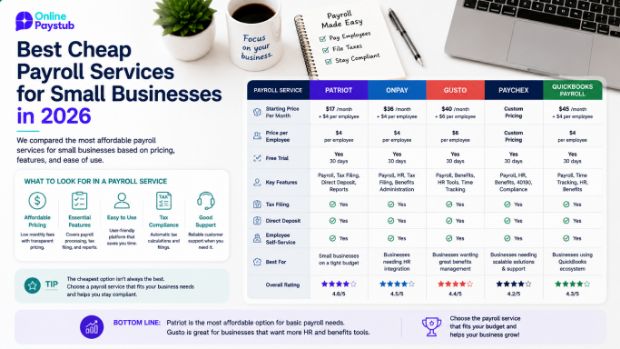
The lowest monthly fee is rarely the lowest total cost. How to compare payroll platforms on base price, per-worker charges, tax filing and year-end forms at your actual headcount.
A payroll card delivers wages to a prepaid account instead of a bank account. How the programme works, which fees to check and why an employer cannot make it your only option.
YTD columns turn a single paycheck into a running history. What year-to-date means on a pay stub, how to calculate it and why the totals are worth a periodic review.
A pay stub is built from real payroll records, not estimates. Nine steps from employer details and pay dates through gross pay, taxes and deductions to net pay and year-to-date totals.
A pay stub explains how gross pay becomes net pay for one pay period. What each section reports, why deductions differ between employees and how a stub differs from a paycheck.