What Is Form 1099-MISC? A Complete Guide for 2026
Several 1099-MISC categories moved from a $600 to a $2,000 threshold for 2026, but not all of them. Here is what the form covers, which thresholds changed and when it is due.

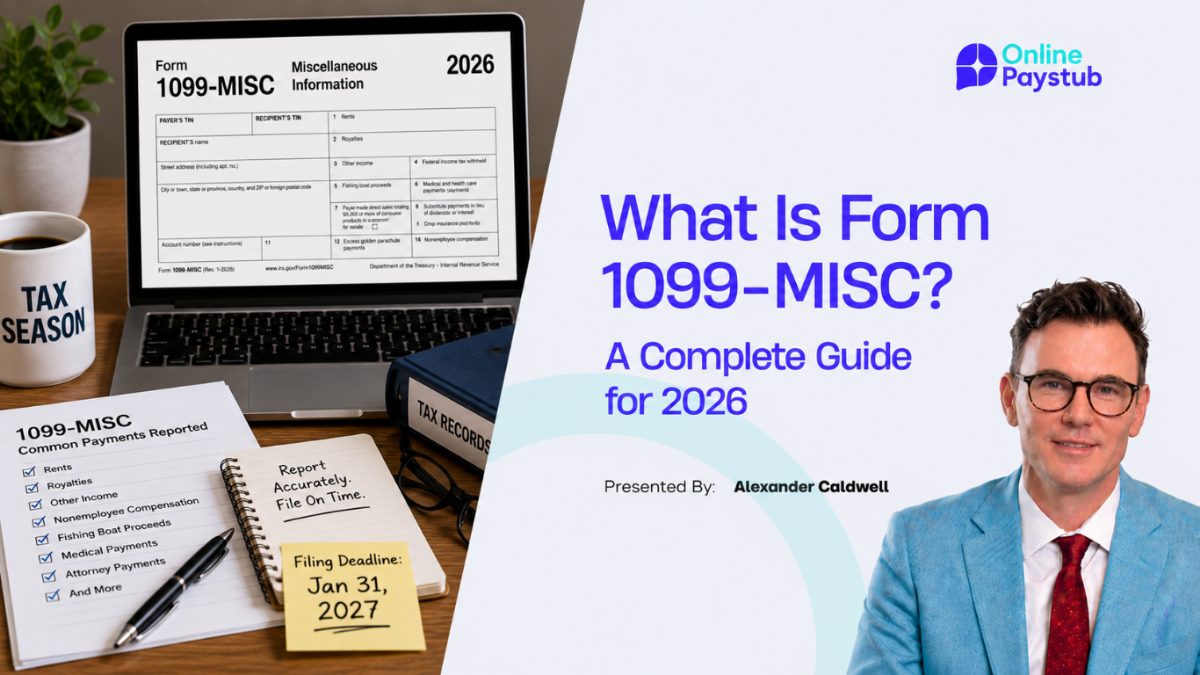
Form 1099-MISC is used to report several types of miscellaneous business payments that do not belong on Form 1099-NEC or another more specific information return. For 2026, the IRS increased the threshold for several categories that were historically subject to a $600 reporting threshold to $2,000.
That does not mean every 1099-MISC category now uses $2,000. Royalties and certain broker payments continue to have a $10 threshold, while other categories have their own rules. The payment type determines both whether Form 1099-MISC applies and which box should be used.
What Is Form 1099-MISC Used for in 2026?
For 2026, Form 1099-MISC continues to cover categories such as rents, prizes and awards, certain other income, medical and health care payments, crop insurance proceeds and specified deferred compensation when the applicable reporting requirements are met.
The IRS's 2026 instructions place a $2,000 threshold on several of these categories, including rents, prizes and awards, other income payments, medical and health care payments, crop insurance proceeds, Section 409A deferrals and nonqualified deferred compensation.
Not Every 1099-MISC Threshold Is $2,000
Royalties and broker payments in lieu of dividends or tax-exempt interest generally remain reportable at $10 or more under the 2026 instructions. Gross proceeds paid to an attorney are subject to a separate $600 threshold.
Direct sales of consumer products for resale have another rule. Sales totaling $5,000 or more can be reported using the designated direct-sales box on Form 1099-MISC or Form 1099-NEC, depending on the payer's chosen reporting method and the IRS instructions.
1099-MISC vs. 1099-NEC
The easiest distinction is the type of payment. Form 1099-NEC is primarily for qualifying compensation paid for services performed by someone who is not an employee. Form 1099-MISC covers miscellaneous payment categories such as rent, royalties and certain prizes or other income.
Businesses should classify the payment first and choose the form second. Using Form 1099-MISC simply because the recipient is an independent contractor can be incorrect when the payment is actually nonemployee compensation.
1099-MISC vs. W-2
Form W-2 is for employees and reports wages and certain payroll tax information. Form 1099-MISC is an information return for specified non-wage payments. The two forms serve different purposes.
Worker classification should reflect the actual relationship. A business cannot turn employee wages into miscellaneous income merely by choosing to issue a 1099 form.
When Is Form 1099-MISC Due?
The IRS filing deadline differs from Form 1099-NEC. Under the 2026 instructions, Form 1099-MISC is generally due to the IRS by February 28 when filed on paper or March 31 when filed electronically, subject to the next-business-day rule.
Recipient statement deadlines can depend on the type of payment and box involved. Businesses should use the current General Instructions for Certain Information Returns when preparing the year's filing calendar.
What Information Should Businesses Keep?
Good records should identify the recipient, taxpayer identification information, payment type, payment dates and annual totals. The payment category matters because the IRS uses different boxes and thresholds for different kinds of income.
Collecting correct taxpayer information early can also reduce last-minute problems. When backup withholding applies, reporting can be required regardless of the normal payment threshold.
What Recipients Should Do With a 1099-MISC
A recipient should compare the form with personal or business records and keep it with tax documents. The form reports information supplied to the IRS, but the recipient's tax treatment depends on the nature of the payment and the rest of the tax return.
If a name, taxpayer identification number or payment amount appears incorrect, contact the payer. The payer can review its records and issue a correction when appropriate.
Why the 2026 Rules Deserve Extra Attention
The move from $600 to $2,000 for several reporting categories makes older articles and checklists potentially misleading for 2026 payments. At the same time, some categories retain different thresholds.
Rather than relying on a single universal dollar amount, identify the payment category and check the current IRS instructions. That approach is more reliable for both businesses preparing forms and recipients trying to understand why they received one.
Read My Full Online PayStub Guide
I cover the form, filing process and practical details in greater depth here: What Is Form 1099-MISC? A Complete Guide for 2026