1099 Pay Stub for Contractors: What It Is and What Records You Need
There is no federal form called a 1099 pay stub. Here is what a contractor payment record should actually contain, how it differs from Form 1099-NEC and why year-round records matter.

A 1099 contractor does not receive a traditional employee pay stub simply because the contractor receives Form 1099-NEC at tax time. Independent contractors are not employees, and the documents used to track their payments can differ from employee payroll records.
Still, contractors and the businesses that hire them often need clear payment records throughout the year. Invoices, payment receipts, account statements and contractor payment statements can help document what was billed, what was paid and when the payment occurred.
Do 1099 Contractors Get Pay Stubs?
Usually not in the same sense as W-2 employees. Employee pay stubs commonly show gross wages, payroll tax withholding, deductions and net pay for a pay period. Independent contractors generally handle their own tax obligations and are paid according to a contract or invoice rather than an employee payroll schedule.
A business may provide a payment statement or remittance record to a contractor, but that document should accurately describe the actual payment relationship. It should not present a contractor as an employee when that is not the case.
What Is a 1099 Pay Stub?
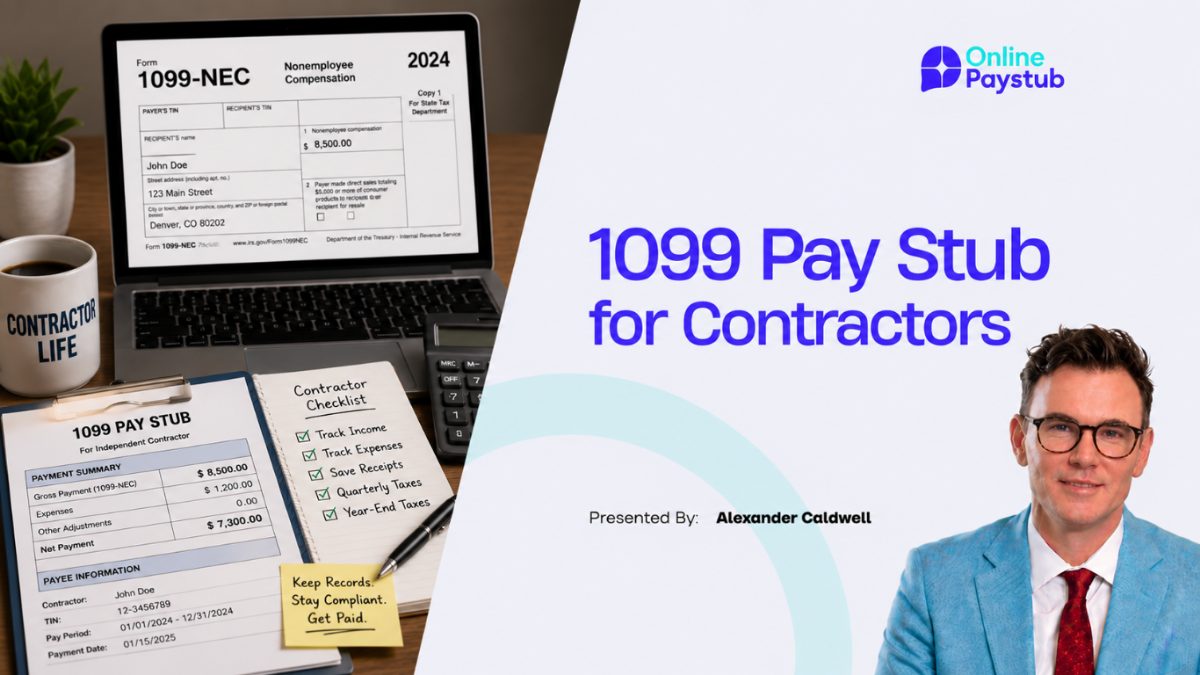
The phrase “1099 pay stub” is informal. There is no federal tax form officially called a 1099 pay stub. In practice, people often use the term for a contractor payment record showing details such as the payer, contractor, payment date, services, gross amount and any legitimate withholding or adjustments.
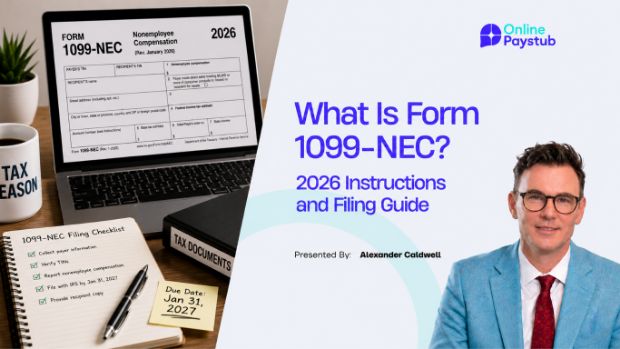
That record is separate from Form 1099-NEC. Form 1099-NEC is an annual federal information return used for qualifying nonemployee compensation. A contractor payment statement is a business record that can be created throughout the year.
What Should a Contractor Payment Record Include?
A useful record should identify the payer and contractor, the payment date or covered period, the service or invoice being paid and the actual amount paid. If an adjustment or withholding genuinely applies, it should be described accurately.
Do not add fictional payroll taxes, employee benefits or deductions simply to make the document resemble an employee pay stub. The record should reflect the real contractor arrangement.
Why Contractors Need Year-Round Payment Records
Form 1099-NEC is generally issued after the calendar year ends, so it is not a substitute for keeping records during the year. Contractors need their own invoices, receipts and payment history to monitor revenue and prepare accurate books.
Year-round records also make it easier to compare the annual 1099-NEC with payments actually received. If the annual amount appears wrong, organized records give both parties something concrete to review.
Does a Contractor Payment Statement Replace Form 1099-NEC?
No. A payment statement, invoice or pay record does not replace a required Form 1099-NEC. If a business meets the federal reporting requirements, it must follow the applicable information-return rules.
For payments made in 2026, the federal threshold for qualifying nonemployee compensation is generally $2,000. Backup withholding can trigger reporting regardless of the amount. Businesses should also check whether state reporting requirements apply.
Contractor Records and Taxes
Independent contractors generally do not have employee payroll taxes withheld from every payment in the same way as W-2 employees. They may need to account for income tax, self-employment tax and estimated tax payments themselves.
This makes accurate gross-payment records especially important. Contractors should not rely only on the 1099 form they receive after year-end. Their own books should show income received and legitimate business expenses throughout the year.
1099 Contractors vs. W-2 Employees
The difference between a contractor and an employee is more important than the document used to record a payment. Employees generally receive wages through payroll and may have federal income tax, Social Security and Medicare taxes withheld. Contractors generally operate as nonemployees and manage their own business and tax records.
Classification must reflect the real working relationship under applicable rules. A pay document should never be used to disguise an employee relationship as independent contracting.
How Businesses Can Keep Contractor Payments Organized
Businesses should collect appropriate taxpayer information, record each payment and keep invoices or service agreements with their accounting records. This makes annual 1099 preparation much easier and reduces disputes about how much was paid.
If a business provides contractor payment statements, the amounts should come directly from its actual accounting records. Clear records benefit both sides without turning a contractor payment into employee payroll.
The Bottom Line
A contractor can have detailed payment records without having a traditional employee pay stub. The most useful documents are the ones that accurately show the real transaction: invoices, receipts, bank or payment-platform records and legitimate contractor payment statements.
At year-end, Form 1099-NEC serves a different purpose by reporting qualifying nonemployee compensation under federal information-reporting rules. Keeping these documents separate makes contractor recordkeeping easier to understand and more accurate.